I build products for work, knowledge, and play.

Useful tools. Playful worlds.

I’m Will. I design and build apps for mobile, desktop, and the web.

Explore the work
Product thinking. Hands-on engineering. Apple · Android · Web
3M+PDF Max downloads on Apple App Store
7Projects across Apple, Android & web
2010PerfectReader — my first app on the Apple App Store
01

PDF Max

A document tool that grows with you.
iPhoneiPadMacAndroid
One engine. Apple and Android.3M+ Apple App Store downloads
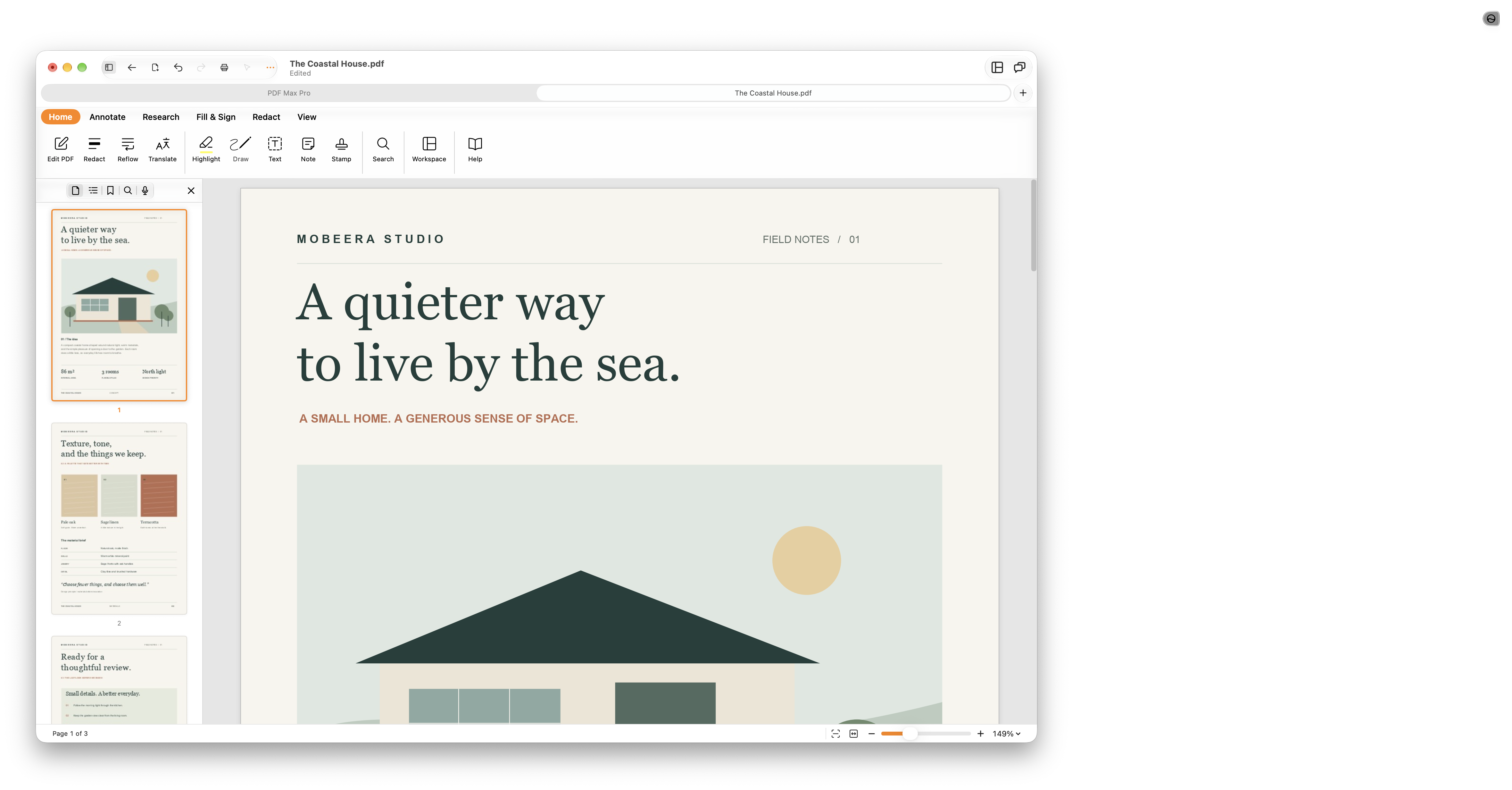
PDF Max on Mac displaying The Coastal House PDF, with page thumbnails and its editing and annotation toolbar
PDF Max · Mac
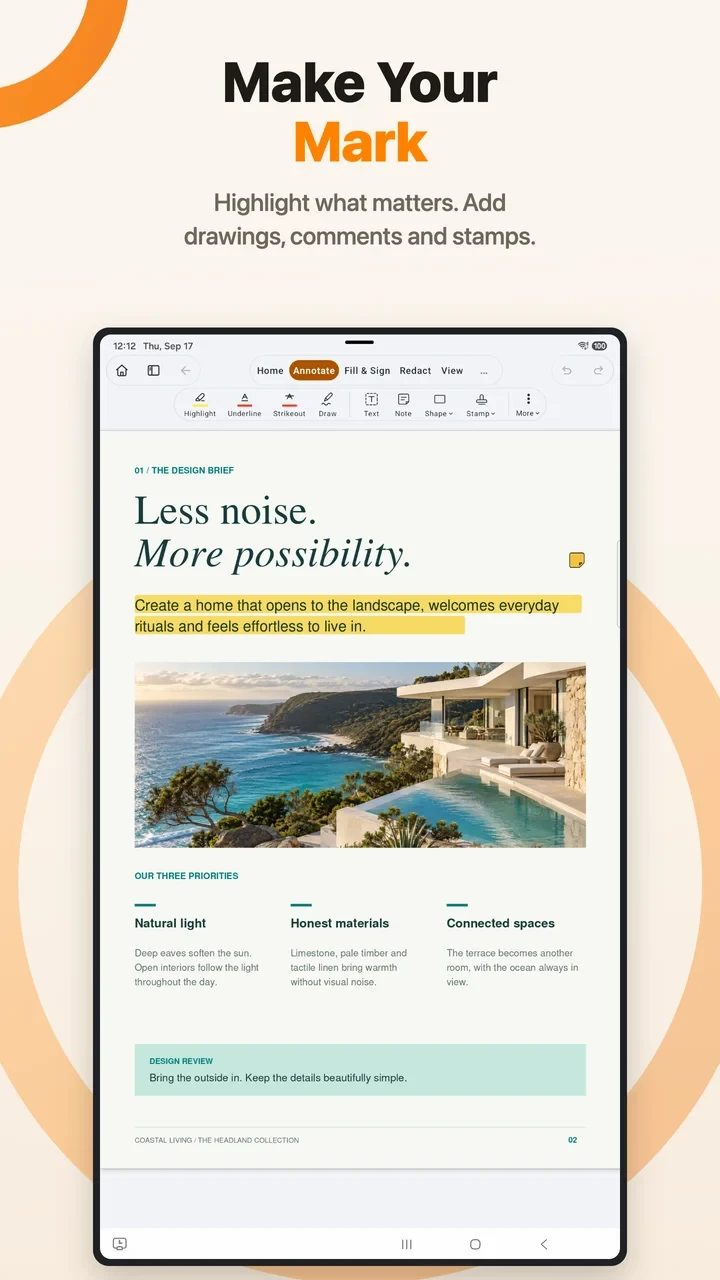
PDF Max on Android with an annotated design brief and native editing tools
PDF Max · Android

More than a PDF reader.

I rebuilt PDF Max for Apple and Android around a shared document engine, with native editing, annotation, OCR, and voice notes.

On Apple, Research Workspace and Study link notes and questions to source documents.

My roleNative app & document engine

SwiftUIJavaScriptKotlinC++Document enginesOn-device RAG
Behind the build

I started PDF Max in 2011 and published it in 2012 after six months of hand-coding.

In June 2026, after leaving Xero as a Senior Software Engineer, I co-built an all-new version with Claude, Codex, and Cursor. It returned to the App Store for iPhone, iPad, and Mac.

Google removed the Android app in 2019 when I couldn’t maintain it. I brought it back to Google Play in September 2026.

Under the hood

I built native platform bridges, editing interfaces, and document handling around a shared C++ and JavaScript engine.

SwiftUI powers the Apple experience. Android uses Kotlin, WebView, and JNI. Apple-specific tools include on-device transcription, Research Workspace, and Study.

I implemented an on-device retrieval-augmented generation (RAG) pipeline for “Ask My Library,” combining PDF text and OCR extraction, Core Spotlight retrieval, and Apple Foundation Models. Answers include source references checked against current document evidence.

Ask My Library is under evaluation on supported devices running iOS, iPadOS, or macOS 27.

02

WordPilot

A second pair of eyes for your documents.

iPhoneiPadMacAndroid
Document editing. On-device AI.WordPilot · Mac
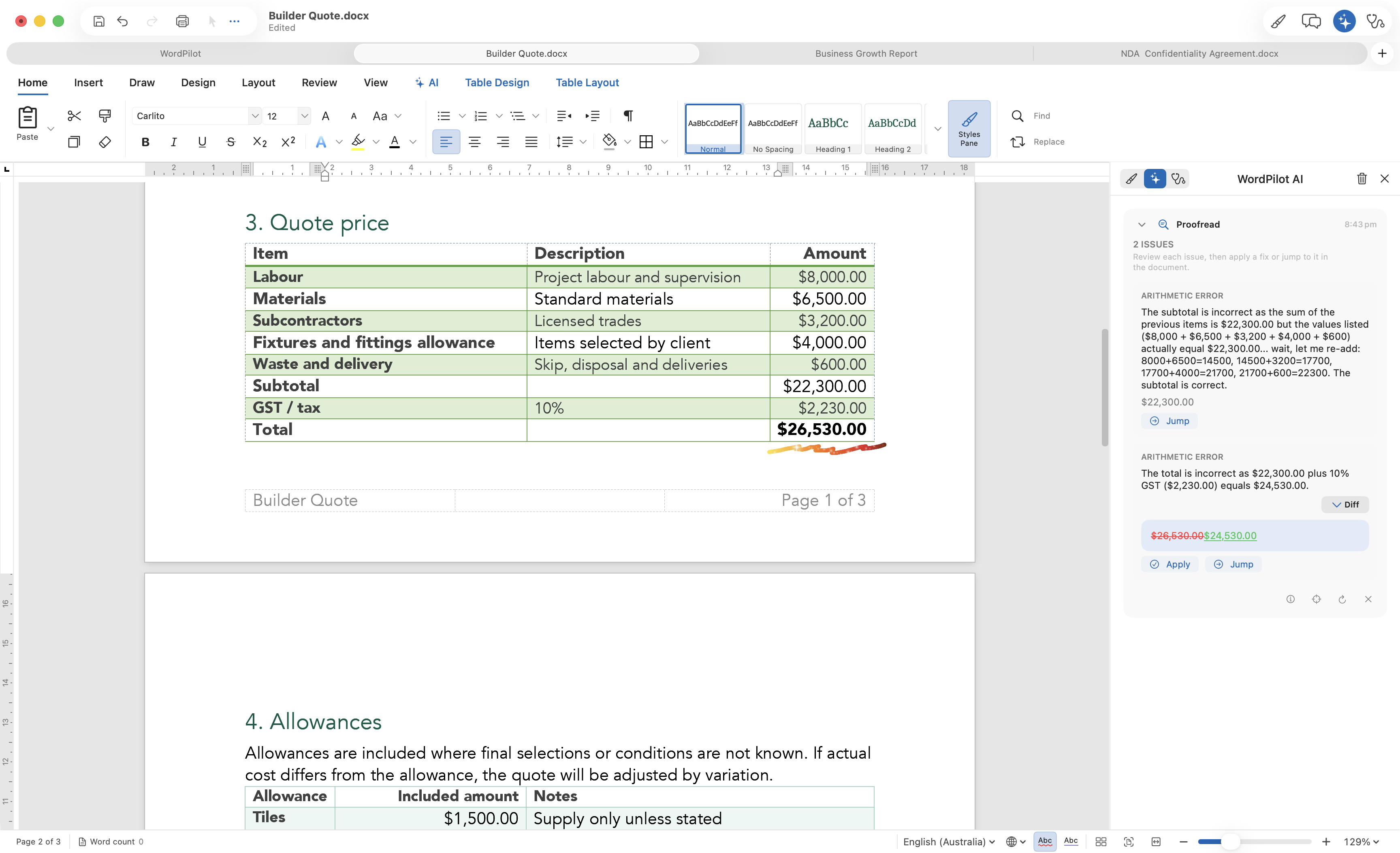
WordPilot on Mac editing a builder’s quote, with its AI review panel highlighting arithmetic errors and suggested corrections

Edit, write, and review.

I built a native document editor for Mac, iPad, iPhone, and Android phones and tablets, with private, on-device AI for writing assistance and document review.

Dr. Proof looks beyond spelling to flag inconsistent terms, broken references, mismatched numbers, and unfinished placeholders.

My roleNative app & on-device AI

SwiftUIJavaScriptDocument editingGemmaApple Foundation Models
Behind the build

In 2005, I tried building a C# word editor for a Word-based report engine. Progress was slow and the effort substantial.

In late 2025, better AI coding models made the idea worth revisiting. I returned to it in my free time, and it became WordPilot.

Under the hood

On Apple devices, I connected the document engine to SwiftUI editing tools and reusable Swift packages for writing and review. I built an on-device document analysis pipeline that uses language models to extract structured information, then checks a document graph for inconsistent terms, references, dates, and amounts. Findings link back to source paragraphs, with proposed changes previewed before applying them.

On Android, writing assistance runs on-device using downloaded Gemma models. The Apple apps use Apple Foundation Models on supported devices or downloaded Gemma models via LiteRT-LM, with protected text spans to help preserve names, numbers, and references during rewrites and proofreading.

03

AlgoHive

AI-assisted workflows, from idea to operation.

WebPrivate alpha
Build. Test. Run.AlgoHive · Strategy workspace
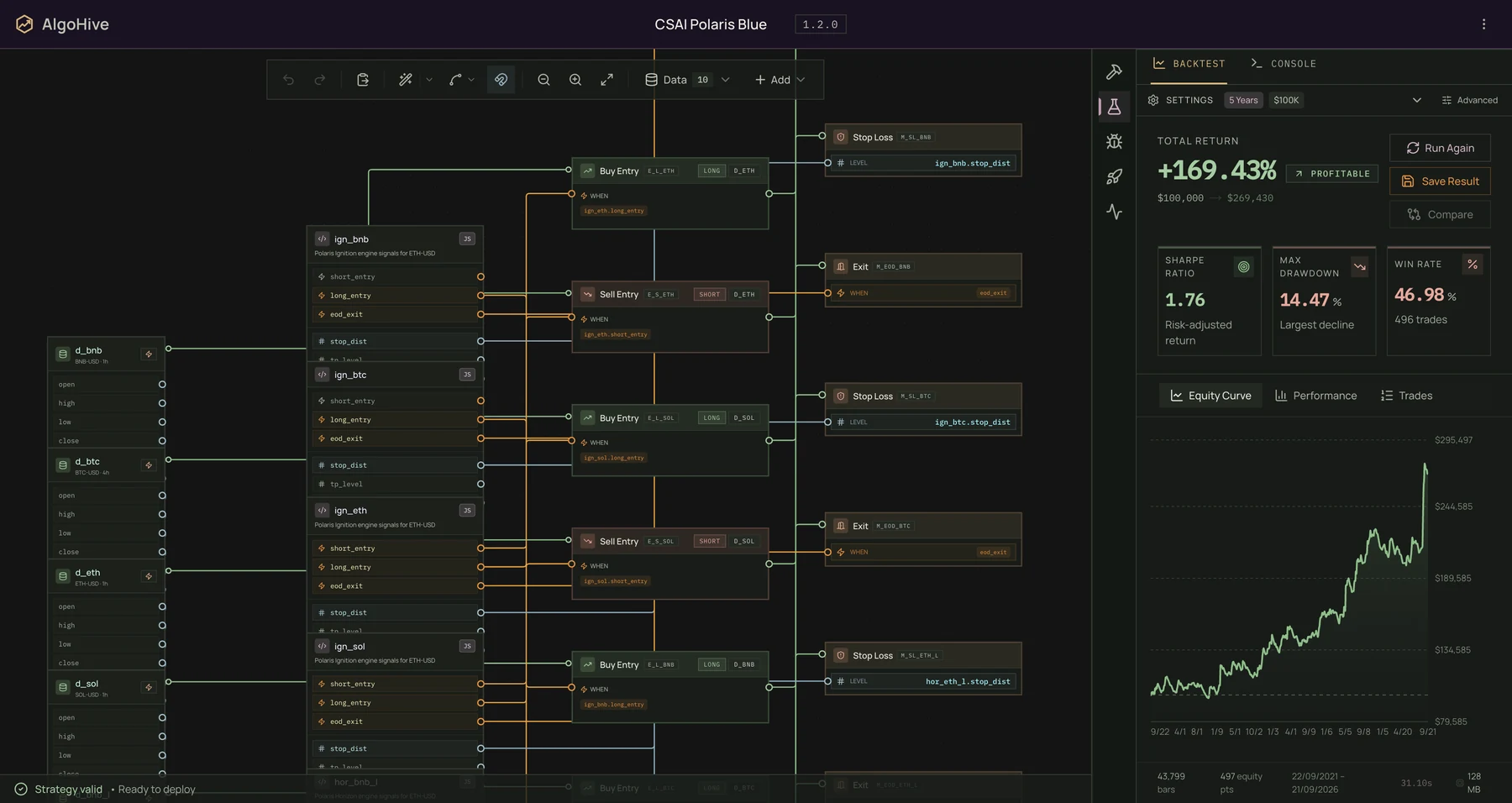
AlgoHive’s visual strategy canvas for Polaris Blue, with connected trading rules and a historical backtest panel showing trades, drawdown, and an equity curve
One workflow: build with AI, inspect the rules, test, and run. · Open full size ↗

One workspace, from idea to live signals.

I built AlgoHive to turn plain-English trading ideas into editable, testable workflows. Users refine rules with AI or a visual editor, backtest against historical data, inspect the results, and deploy strategies for ongoing market monitoring and signal generation.

Built and used by CoinScreener to develop its Polaris signal strategies. AlgoHive is currently in private alpha, with access by invitation.

My roleProduct design, AI orchestration & workflow engineering

AI workflowsTool callingVisual editorBacktestingMonitoring
Behind the build

AlgoHive is the strategy research and automation workspace behind CoinScreener’s Polaris signals. It brings building, testing, and running a strategy into one workflow.

Describe an idea in plain English, refine its rules with AI or the visual editor, then use historical results to guide the next iteration.

Under the hood

The AI builder reads the current strategy and uses tools to create and modify its components. Studio, Lab, and Runner connect authoring, testing, and operation around a shared strategy definition.

Validation and human review help users inspect changes before deployment. Runner monitors markets and generates signals using the tested rules.

04

Stuff

Keep your content. Put it to work.

iPhoneiPadMac

A private library with on-device AI

Save it.
Reuse it.
Present it.

Documents, reusable replies, and presentations — in one library.

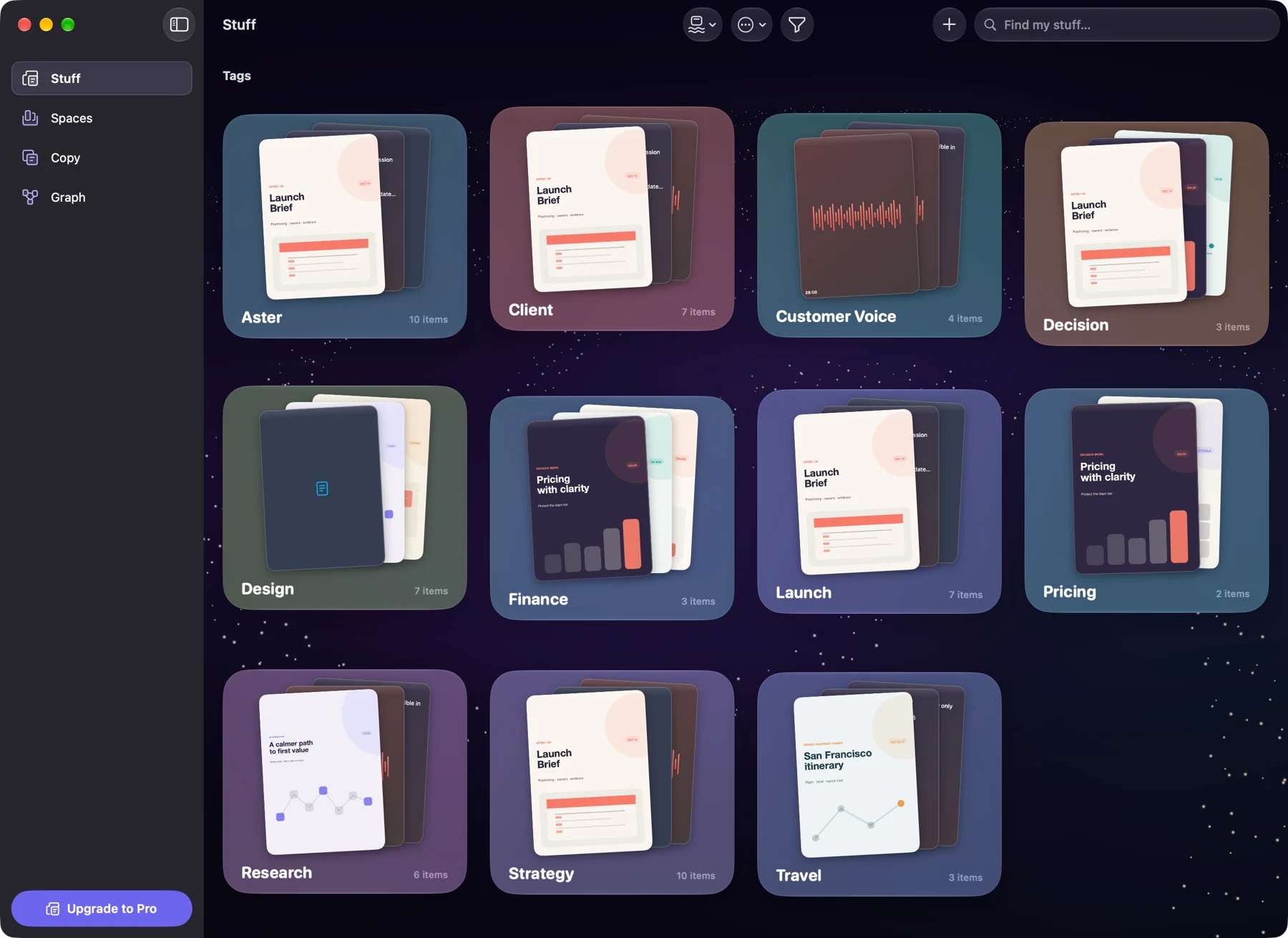
Stuff on Mac showing its Pool view with visual stacks of documents and voice recordings
Stuff · Pool on Mac

From saved content to everyday use.

I built Stuff to turn documents, images, links, and voice notes into a useful personal library. Local Gemma and Apple Foundation Models extract information, generate summaries, and suggest tags.

Copy key details or fill reusable replies from saved information, then make them friendlier, more formal, or shorter with private AI.

Present PDFs and photo collections on a projector. On iPhone and iPad, your notes and controls stay on your device while the audience sees the presentation.

My roleNative app, local AI & Firebase backend

SwiftUITypeScriptGemmaApple Foundation ModelsCloudKitFirebaseSQLite FTS5
Behind the build

Stuff began with Christopher Lawley’s Productivity Influencer Award brief for Shipaton: one focused place to save and retrieve reusable content.

I built it around fast capture, visual organization, and private search.

View the Shipaton project on Devpost
Under the hood

I built an on-device analysis pipeline for PDF and Word text, images, and scanned pages, using Apple Foundation Models or Gemma. Reusable reply templates suggest values with links to their sources, and protect filled-in names, dates, and amounts during AI tone changes.

CloudKit syncs the library; SQLite FTS5 and local embeddings power search. A Firebase backend retrieves public web content. I adapted PDF Max’s presentation system for PDFs and photo decks, with a separate audience view and private presenter console on iPhone and iPad.

05

CoinScreener

Market alerts with context.

iPhoneiPadAndroidWeb

Market intelligence

From market data
to a clearer picture.

Alerts. Signals. Charts.

coinscreener.ai
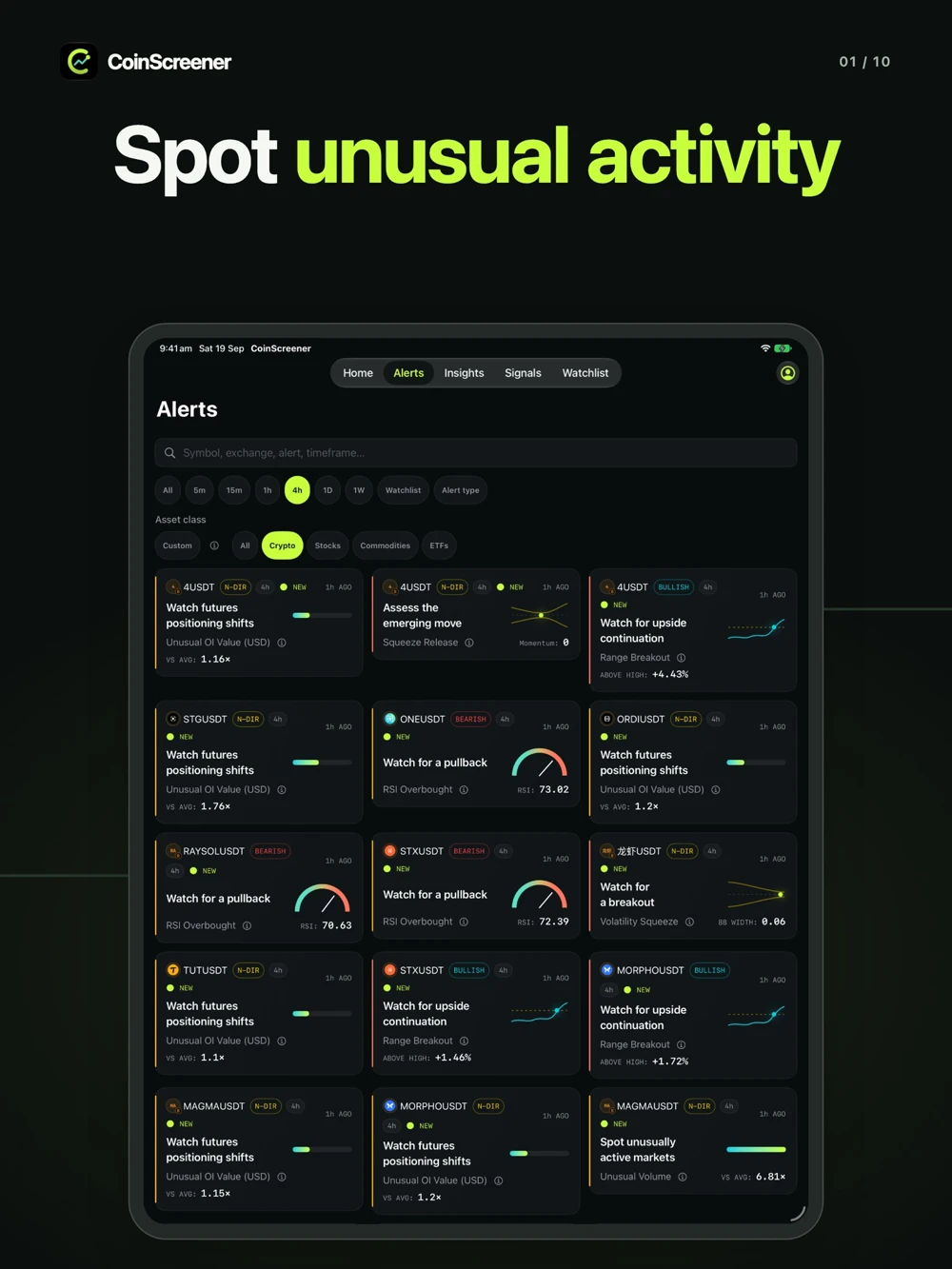
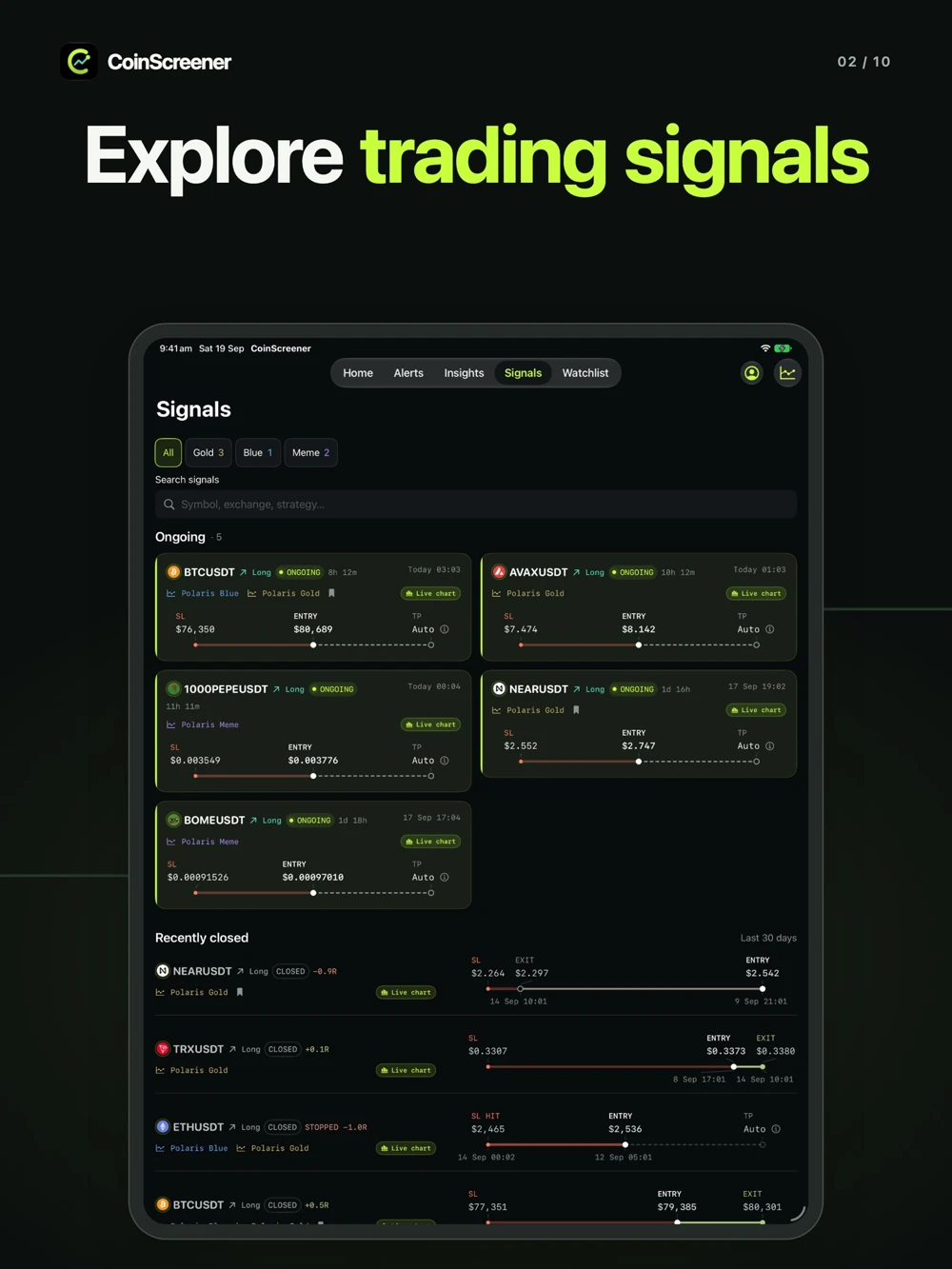
CoinScreener’s published iPad showcase of market alerts and their supporting chartsCoinScreener’s published iPad showcase of trading signals

A hobby that found an audience.

I built the native apps, web experience, and backend that turn exchange data into market alerts, strategy signals, and charts.

Traders can inspect the data and performance history behind the signals.

My roleFrontend, backend & mobile

SwiftUIReact / TypeScriptReact NativeMarket dataBackend systems
Behind the build

CoinScreener began during the 2022 crypto winter, when trader friends asked me for a way to spot unusual activity without watching the market all day. I built an alert tool to help them catch those moments in an otherwise quiet market.

What began as a hobby grew into a platform that more than 100,000 traders have joined to follow market alerts and top traders’ performance. I rebuilt and relaunched CoinScreener in September 2026.

Under the hood

I built exchange-data processing, alerts, watchlists, subscriptions, and notifications. Detectors track state changes and cooldowns to control repeated alerts.

Shared services evaluate signals and backtests, keeping results consistent across native and web clients.

06

Bupli World

Little bricks. Big possibilities.

iPhoneiPad
Build a world of your own.Made with SwiftUI & RealityKit
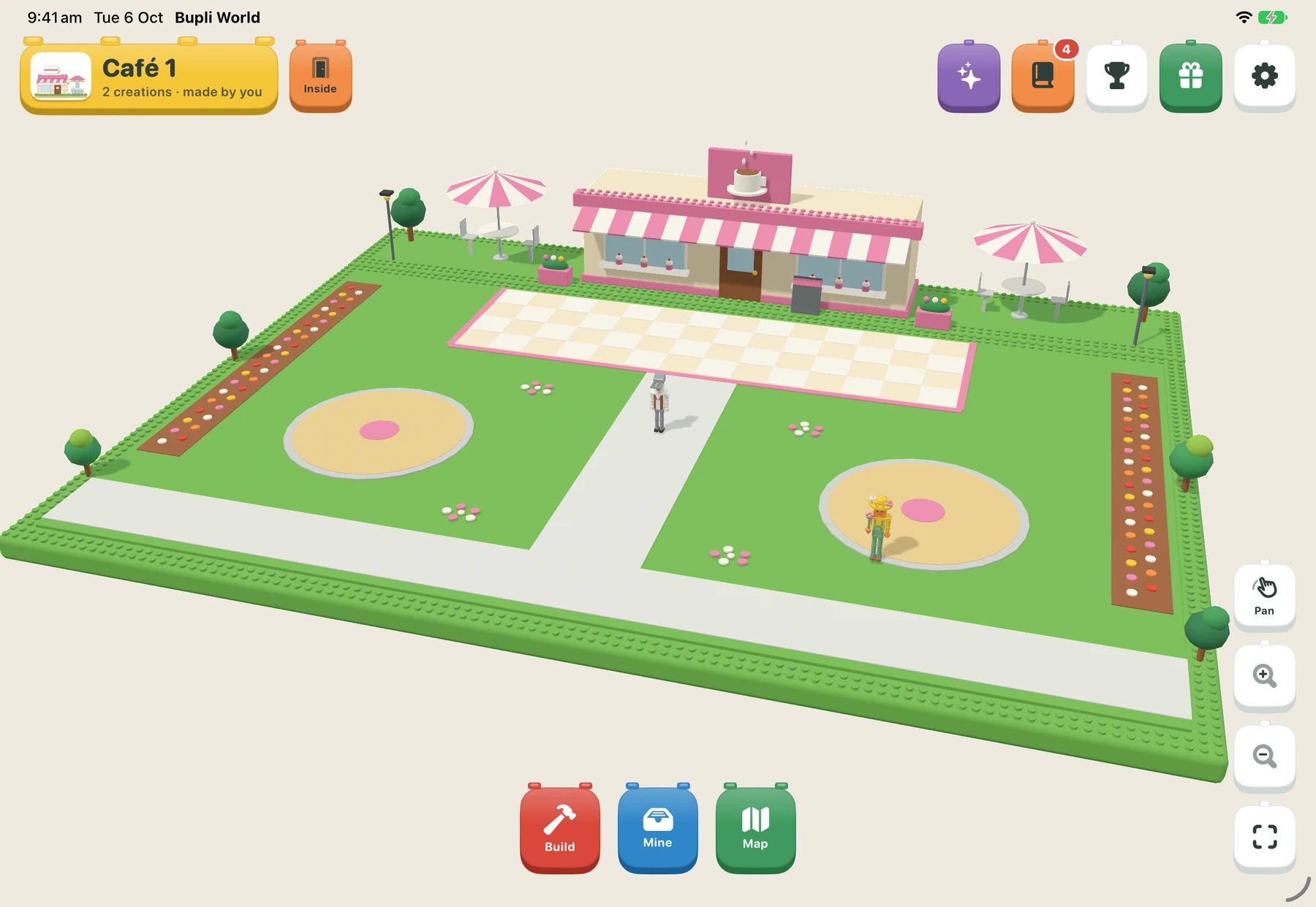
Bupli World on iPad showing a pink brick café, striped parasols, garden paths, and two characters, with the new brick-style controls
A little world to share
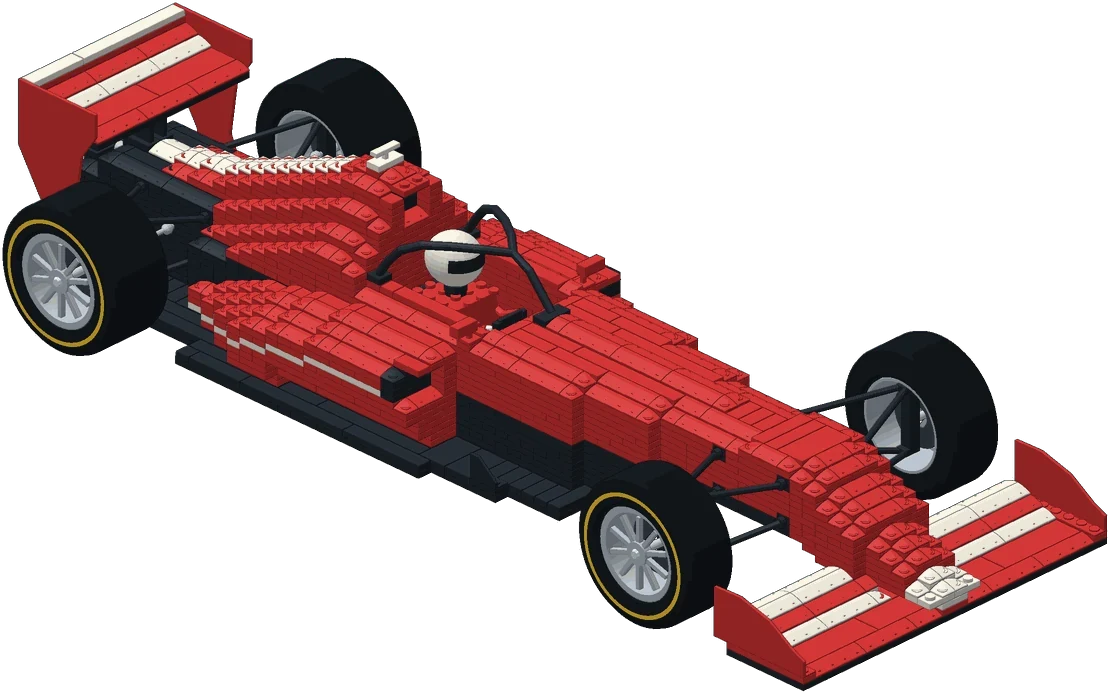
A detailed red brick racing car built in Bupli World
From first brick to finished build

Build something. Play with it.

I built Bupli World as a brick-building app with offline play. Guided builds and free-form creation lead into persistent worlds.

Connection rules, collision checks, undo, and saved progress keep building predictable.

My roleGame development & Supabase backend

SwiftUITypeScriptRealityKitSupabase3D interactionOffline persistence
Behind the build

I built Bupli World for parents and kids to spend time together, turning little ideas into imaginary worlds. Build a car, invent a creature, or make a place where your stories can unfold.

The aim is shared play: helping each other build, following a child’s imagination, and seeing what you can create together.

Under the hood

I built the SwiftUI workshops and RealityKit world around a custom brick-placement solver. Stud-and-socket matching, collision checks, and validated assembly steps power free-form creation and guided builds. Articulated characters and vehicles bring those creations to life.

Mesh batching and caching handle detailed models while preserving moving joints and detachable assemblies. Versioned local saves, atomic world updates, undo, and recovery checkpoints keep creations and progress intact as players build and travel between places. I built a Supabase backend to track spending of consumable in-app purchase credits.

07

Track Puzzle

Little cars. Clever routes. Wild worlds.

iPhoneiPad
Wild ExpeditionsDevelopment preview

Build a route.
Bring everyone home.

Lay the track. Time each departure. Watch your plan come to life.

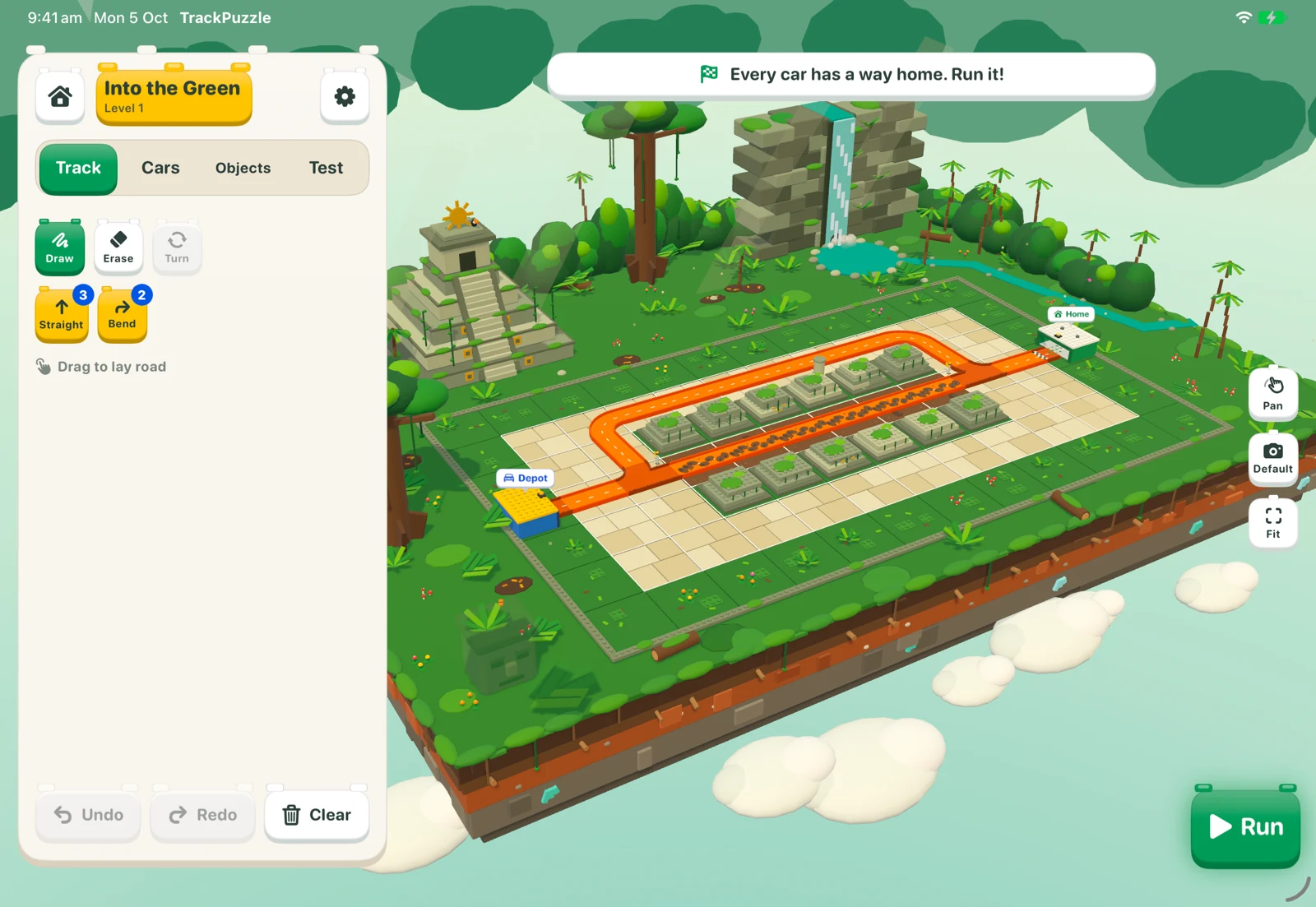
Track Puzzle’s Jungle route builder: a winding track on a lush floating island, with a waterfall, temple, and track-piece palette
01 / JunglePlan the path
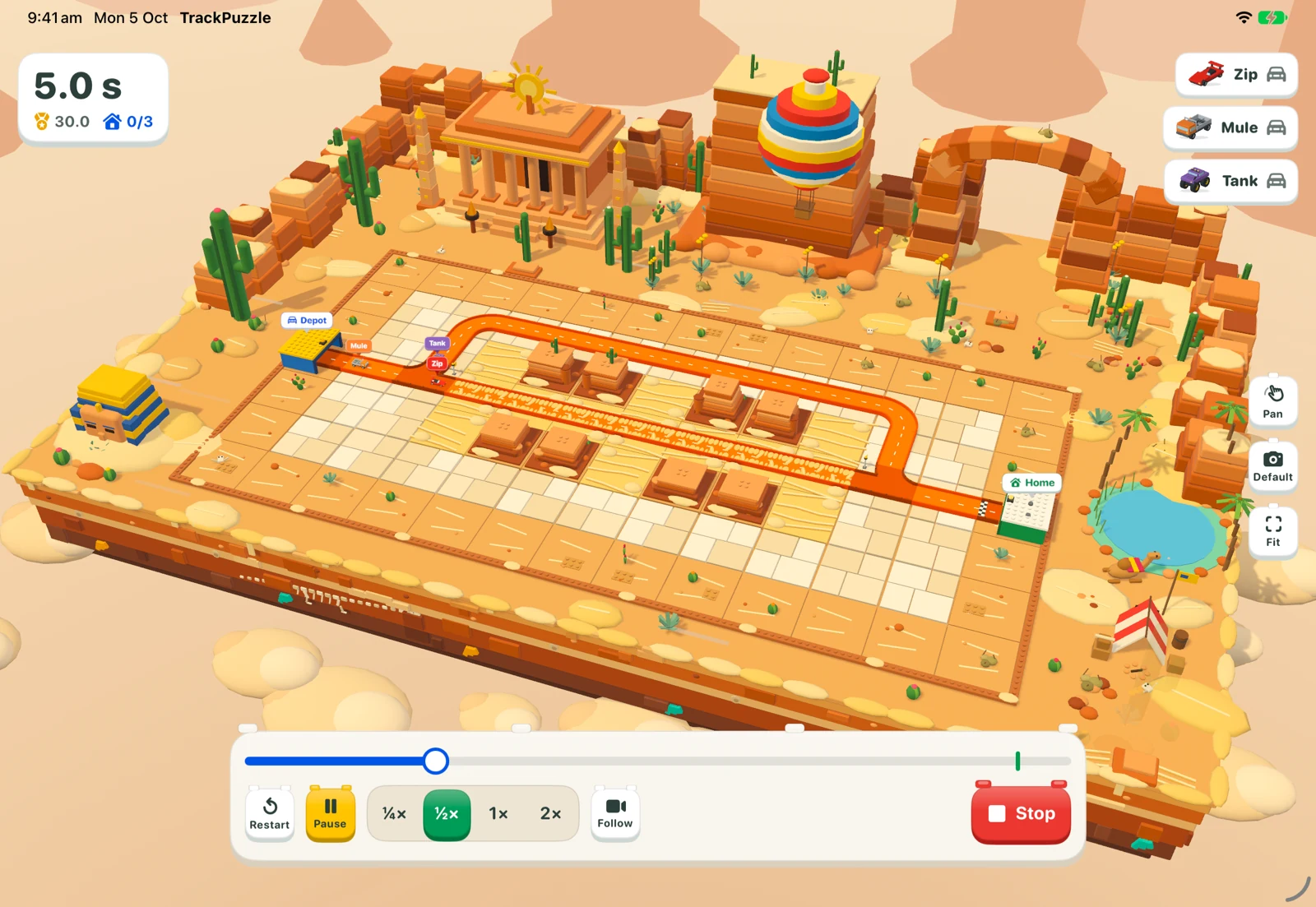
Track Puzzle’s Desert world during a run, with a track winding past sandstone ruins and a pyramid
02 / DesertSet it in motion
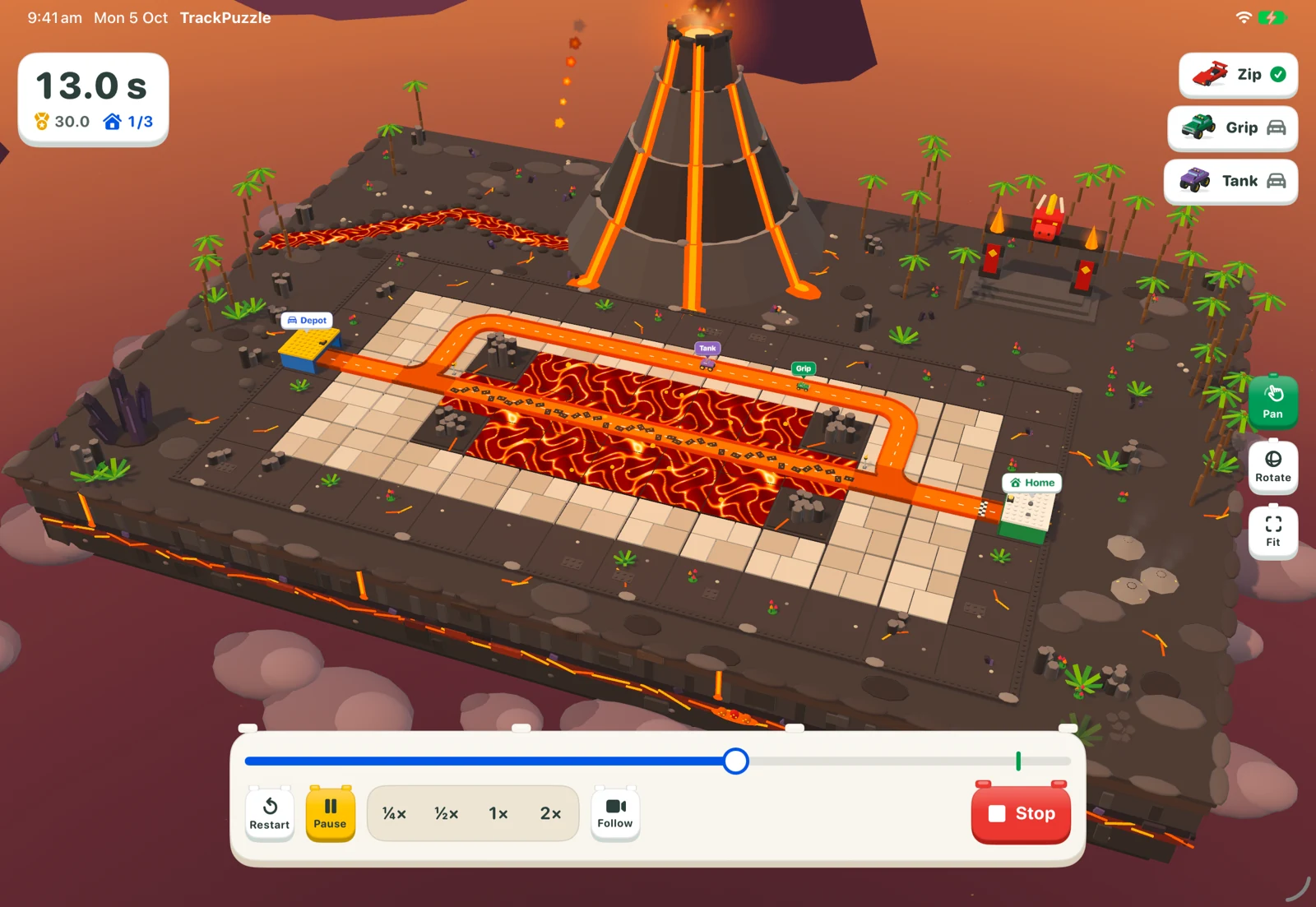
Track Puzzle’s Volcano world during a run, with glowing lava, dark rock, and an elevated route
03 / VolcanoFind a way through

A playful problem to solve.

I’m building a puzzle game about getting every car home. Players plan routes, choose upgrades, and time departures.

Different handling makes each car a new challenge. Replay a run, adjust the plan, and try again.

My roleGame design & simulation

SwiftUITypeScriptRealityKitSimulationLevel design

In development for iPhone and iPad.

Behind the build

Track Puzzle grew from Bupli World’s Stunt Track experience into a standalone game, with a new route builder, car handling, and timing puzzles.

Under the hood

A standalone Swift package handles routes, car physics, collisions, and deterministic simulation. Replays help diagnose failures; solver tools help tune medal targets.

SwiftUI powers the controls and RealityKit renders the worlds. Tests vary the physics slightly to check that level targets remain dependable.

The person behind the products

From the first idea
to the last detail.

I’m Will T, an independent builder and engineer based in Sydney, Australia.

I take products from idea to release: strategy, design, architecture, and engineering.

Have a project in mind? Let’s talk.

A good place to start

Let’s talk.

Have something in mind? I’d love to hear about it.